
INFOGRAPHIC
Health Equity in
Breast Cancer Screening:
Closing the Access Divide
Breast cancer screening is a critical component of early detection and improved survival rates. However, disparities persist across different payer types, racial groups, and income levels, leading to unequal access to screenings and worse health outcomes for disadvantaged populations.
This infographic highlights seven-year trends (2017– 2023) in breast cancer screening rates, analyzing the impact of insurance type, race, and income on access to screening. By leveraging real-world data, stakeholders can better understand and address these disparities to promote health equity.
Why Health Equity in Breast Cancer Screening Matters

Breast cancer is the second leading cause of cancer death among U.S. women.

30% of new cancer diagnoses among women in the U.S. are breast cancer.
Screening can improve survival rates, reduce the need for aggressive treatments, and save lives.
“Breast Cancer Facts and Statistics,” Breastcancer.org, December 12, 2024, https://www.breastcancer.org/facts-statistics
Screening Trends by Payer Type
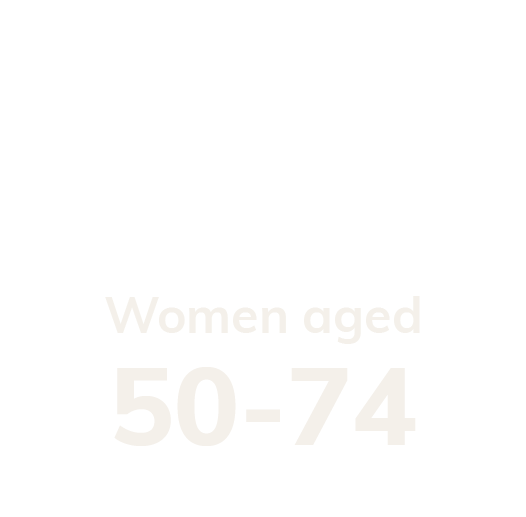
Commercial Insurance: Highest screening rates overall; rates increased from 67.3% (2017) to 69.9% (2023)
Medicare Advantage (MA): Stable rates (~64%), with modest increases over seven years
Medicare Fee-for-Service (FFS): Significant disparities by age, but overall rates improved from 53.0% (2017) to 72.4% (2023) for older women (65-74)
Medicaid: Lowest rates (40-55%): Women aged 65-74 had rates as low as 38.1% in 2023
Key Insight:
Women with Medicaid consistently face barriers, resulting in significantly lower screening rates and higher late-stage diagnoses.
Social Drivers of Health and Screening Gaps

Income Inequality
Screening rates increase with income across all payer types.
In 2023, rates for women in the highest income brackets ($75K+):
In 2023, rates for women in the lowest income brackets (<$30K):
Key Insight:
Medicaid-insured women, even at higher income levels, trail behind their peers with other insurance types.

Language Proficiency
Women in neighborhoods with limited English proficiency have lower screening rates in all payer types except Medicaid.

Living Alone
Living alone is a barrier, with a 6.8% point disparity in Medicare FFS women compared to those with social support in 2023.
Closing the Gap:
Strategies for Equal Access to Life-Saving Screenings
To reduce disparities and improve health equity in breast cancer outcomes, key stakeholders — payers, providers, and policymakers — must:

Target interventions to improve screening access for Medicaid and lower-income populations.

Expand outreach to historically underserved communities, ensuring equitable access to mammograms and early detection.

Leverage social drivers of health (SDOH) data to identify at-risk populations and design targeted screening programs.
About the Data and Methodology
This study was an observational, retrospective analysis of breast cancer screening rates using deidentified claims data from the Inovalon MORE² Registry® and 100% Medicare Fee-for-Service (FFS) databases. The analysis focused on women aged 50-74 years, consistent with the Healthcare Effectiveness Data and Information Set (HEDIS®) Breast Cancer Screening measure, from January 1, 2017, through December 31, 2023.
The study examined breast cancer screening rates across four major payer types in the U.S.:
- Medicare FFS
- Medicare Advantage
- Commercial Insurance
- Medicaid
Screening rates within each payer type were stratified by patient demographics, including race/ethnicity, income, and age group.
Data Sources:
Medicare FFS Claims: Inovalon has direct access to 100% of traditional Medicare FFS enrollment information and claims for Parts A, B, and Part D Prescription Drug Event (PDE) data for all Part D plans under a research data use agreement (DUA) with the Centers for Medicare & Medicaid Services (CMS). The DUA allows for collaboration with life sciences companies to utilize the in-house FFS claims data to further Medicare research in the domains of access to care, healthcare resource utilization, and quality of care.
The Inovalon MORE2 Registry® (MORE2) is a real-world database that includes medical and pharmacy closed claims, primary sourced from over 160 health plans and statistically de-identified. MORE2 contains data pertaining to over 1.1 million physicians, 733,000 clinical facilities, 300 million unique patients, and more than 99 billion medical events.
Inovalon’s SDOH data warehouse comprises information aggregated by Inovalon from a wide range of public and proprietary commercial data sources.
HEDIS® is a registered trademark of the National Committee for Quality Assurance (NCQA)


