
INFOGRAPHIC
Give Nurse Heroes the Sidekick They Need to Conquer Burnout
You count on your healthcare heroes to save the day. But the fact that staff shortages and burnout continue to plague health systems demonstrates they need help, too.
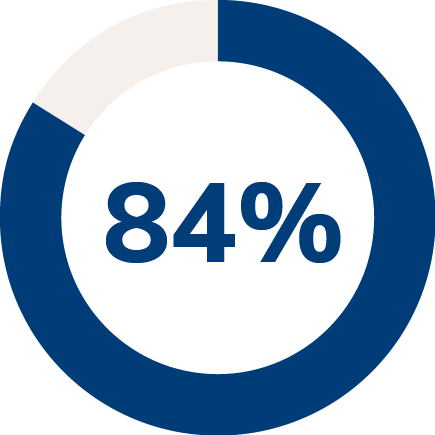
84% of nurses say the nursing shortage is getting worse1
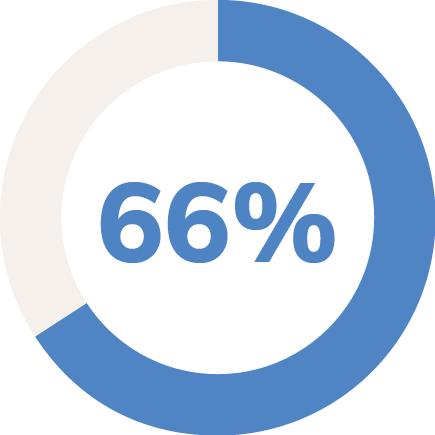
66% of nurses cite burnout as a top shortage contributor1
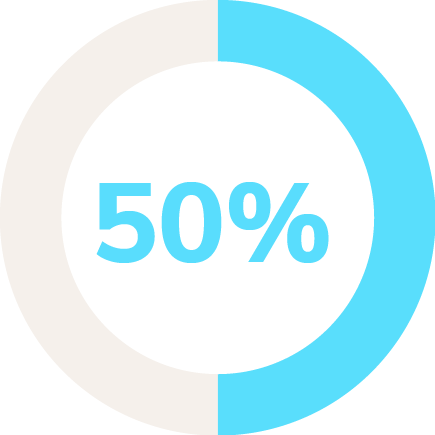
50% of hospital nurses say they’re burned out2
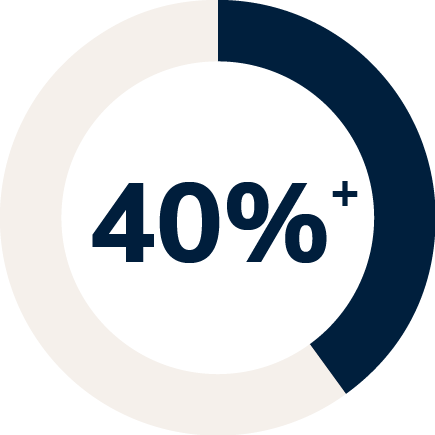
More than 40% of hospital nurses would leave if they could2
Contributors to burnout include:

Insufficient staffing

High patient loads

Too much time spent on administrative tasks3
Why do nurses resign?
Healthcare heroes operate in demanding, high-stakes environments with so many counting on them.
But even heroes get exhausted and overwhelmed — which can lead to burnout and resignations.
Among the top ten reasons reasons nurses resign:

Scheduling

Working conditions

Workload/staffing ratios4
A vicious cycle
Staffing shortages can fuel a vicious cycle of burnout and turnover. The ripple effect can negatively impact patient care, staff satisfaction, and the organization’s bottom line.
Burnout = Turnover = Nurse Shortages = Burnout
The fallout from burnout
Burnout doesn’t just hurt nurses. It can also hurt patients.
Nurses who are dealing with their own mental health issues like long-term stress and burnout can:
- Struggle to feel empathy toward others
- Rush from patient to patient
- Forget to ask the right questions
- Not take time to understand patient needs
- Stop engaging
So it’s no surprise that burnout can lead to more:
- Nosocomial infections
- Patient falls
- Medication errors
- Adverse events
- Missed care5
All that leads to unhappy patients and increased stress for everyone involved.

Nurse burnout not only leads to higher nurse turnover — but higher physician turnover, too.2
What healthcare heroes really want
Nurses want more control, especially over their schedules.


Top interventions to reduce burnout include:
- Improving nurse staffing
- Not expecting nurses to work unscheduled hours
- Giving nurses more scheduling control2
How can you prevent nurse burnout?
- 1 Make your healthcare heroes feel appreciated
- 2 Give them control over their schedules
- 3 Provide real-time visibility to schedules and staffing analytics
- 4 Offer equitable, balanced workloads and reduce overtime
- 5 Help team leaders become more efficient with clear data on staffing trends and team needs
Give them the sidekick they deserve
Being a healthcare hero is hard. That’s why there’s still a struggle with burnout, turnover, and staff shortages.
Empower your heroes with Inovalon Schedule Management — a mobile-friendly scheduling solution that supports the worklife balance they need.
- Make it easy to trade shifts or fill open shifts
- Allow self-scheduling
- Offer more scheduling options
- Use real-time data to prevent overtime
- “New Survey Finds Nurses Happier, More Satisfied vs. Previous Years,” nurse.org, May 7, 2024, https://nurse.org/articles/state-of-nursing-2024/
- “Physician and Nurse Well-Being and Preferred Interventions to Address Burnout in Hospital Practice: Factors Associated With Turnover, Outcomes, and Patient Safety,” JAMA Network, July 7, 2023, https://jamanetwork.com/journals/jamahealth-forum/fullarticle/2807049
- “Understanding and prioritizing nurses’ mental health and well-being,” McKinsey & Company, November 6, 2023, https://www.mckinsey.com/industries/healthcare/our-insights/understanding-and-prioritizing-nurses-mental-health-and-well-being
- “2024 NSI National Health Care Retention & RN Staffing Report,” NSI Nursing Solutions, March 2024, https://www.nsinursingsolutions.com/Documents/Library/NSI_National_Health_Care_Retention_Report.pdf
- “Nurse Burnout and Patient Safety, Satisfaction, and Quality of Care: A Systematic Review and Meta-Analysis,” JAMA Network Open, November 4, 2024, https://pubmed.ncbi.nlm.nih.gov/39499515/
- “Burnout and turnover risks for healthcare workers in the United States: downstream effects from moral injury exposure,” Nature, October 22, 2024, https://www.nature.com/articles/s41598-024-74086-0


