
Every breath matters, yet for many patients with severe asthma (SA), the journey to effective care remains a challenge.
Recent research featured in The Journal of Allergy and Clinical Immunology: In Practice and executed by AstraZeneca and the Inovalon HEOR team uncovered a troubling reality: A significant number of patients with uncontrolled disease do not receive the guideline-recommended specialist care and medication escalation they need. Even more alarming, non-White patients face even steeper hurdles, highlighting racial disparities in the healthcare system.
This infographic reveals the stark realities of severe asthma care, the heightened risks of uncontrolled disease, and the urgent need for systemic change to ensure equitable access for all.
A Dangerous Cycle:
Increased Health Resource Use and Exacerbations
Uncontrolled severe asthma disrupts lives, drives up healthcare costs, and strains resources.
Within 12 months after experiencing uncontrolled disease, only:
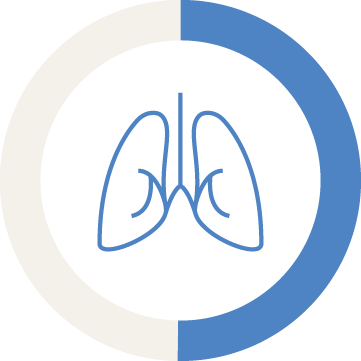
50.5% of patients had a guideline‑recommended specialist visit
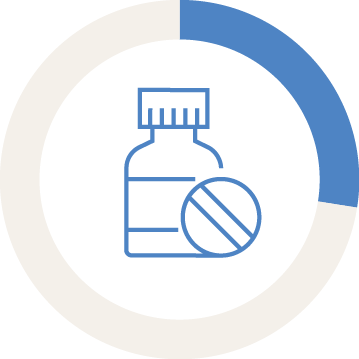
27.6% of patients had evidence of medication escalation
Lack of proper follow-up care led to an exacerbation rate of 50.7% to 63.9%.
Unequal Burden:
Racial Disparities in Severe Asthma Care
The disparities in asthma care reveal a troubling inequity. Black and Hispanic/Latino patients are significantly less likely to receive the necessary follow-up care compared to non-Hispanic White patients, thereby compounding their health risks.
Patients who did not receive any specialist visits or medication escalations following an event indicative of uncontrolled disease:

Black patients

Hispanic/Latino patients

Non‑Hispanic White patients
Bridging the Gap:
The Need for Improved Care‑Delivery Guidelines
To close these gaps and ensure equitable care, updated health policies, enhanced provider education, and robust quality improvement programs are needed.
Implementing formalized protocols and decision-support systems promotes adherence to treatment guidelines and better outcomes for all patients, especially those from minority communities.
Strategies may include:

Prioritizing specialist consultations for patients with uncontrolled SA

Ensuring timely medication adjustments according to treatment guidelines

Implementing programs to enhance provider education and adherence to guidelines

Using decision-support systems to improve clinical outcomes

Implementing programs to enhance provider education and adherence to guidelines
Research Findings
Results of this investigation demonstrate that a substantial proportion of uncontrolled severe asthma patients in the U.S. did not receive the appropriate care following evidence of uncontrolled disease, which was associated with worsening disease and greater healthcare utilization.
—Joseph Tkacz, Associate Vice President,
Health Economics and Outcomes Research, Inovalon
The findings are clear: Action is needed to bridge the gaps in severe asthma care. With concerted effort and systemic change, every patient can receive the care they need to breathe easier and live healthier.
Discover the Combined Power of Inovalon’s Real-World Data and Research Expertise
Ask us how we can accelerate your research goals.
Read this blog to explore the main variables that affect HEOR research.
About the Data and Methodology
This study was an observational, retrospective analysis of deidentified claims data of patients with evidence of severe, persistent asthma in the Inovalon (Bowie, MD) MORE2 Registry® and 100% Medicare Fee-for-Service (FFS) databases between January 1, 2015, and December 31, 2020.
Asthma patients aged 12 years and greater qualified for the analysis if they met the definition of severe asthma consistent with the Global Initiative for Asthma guidance and American Thoracic Society/European Respiratory Society guidelines.
The objective of the analysis was to compare the medical care received by severe asthma patients who did or did not experience events indicating uncontrolled disease (EUD), including corticosteroid-requiring asthma exacerbations, asthma-related emergency room visits, or an asthma-related hospitalization.
Escalation of medical care including visits to a specialist and changes to asthma treatment were examined, in addition to the frequency of subsequent disease exacerbations and healthcare use/costs. Health disparities were also investigated by examining outcomes by patients of different race/ethnicities.
For additional details regarding the study methodology, please view the full text of the manuscript published in the July 2024 issue of The Journal of Allergy and Clinical Immunology: In Practice.
The two large-scale, real-world claims databases encompassed commercially insured, managed Medicaid, Medicare Advantage, and Medicare FFS patients.
The Inovalon MORE2 Registry is a closed claims database that is inclusive of medical claims and pharmacy claims, primary sourced by over 160 health plans. These plans represent all major U.S. payer lines of business, including commercial, Medicare Advantage, and managed Medicaid.
Through a Centers for Medicare & Medicaid Services (CMS) research data use agreement, the 100% sample of Medicare Part A and Part B FFS claims data, and prescription drug event data for all Part D plans (including Medicare Advantage Part D plans) were also used for the current analysis.
This study was sponsored by AstraZeneca.
Inovalon and design® and Inovalon® are trademarks of Inovalon, Inc.


